Darknet Markets 2026:
The dark web is part of the deep web but is built on darknets: overlay networks that sit on the internet but which can't be accessed without special tools or software like Tor. Tor is an anonymizing software tool that stands for The Onion Router — you can use the Tor network via Tor Browser.
| Darknet Market | Established | Total Listings | Link |
|---|---|---|---|
| TorZon Market | 2022 | 140+ | Onion Link |
| Nexus Market | 2024 | 600+ | Onion Link |
| Abacus Market | 2022 | 100+ | Onion Link |
| Ares | 2026 | 100+ | Onion Link |
| Cocorico | 2023 | 110+ | Onion Link |
Updated 2026-10-27
How a Nexus URL Opens the Door to Safe Darnet Shopping
A Nexus URL functions as the primary gateway to a darknet market, analogous to a digital storefront address. Its stability and reliability are fundamental for user access. These specialized links, often distributed through forums or trusted repositories, circumvent the need for publicly indexed search engines, creating a direct and discreet path to the marketplace platform.
This direct access method supports safe shopping by ensuring users reach the authentic site, mitigating risks associated with phishing links. Upon arrival, the environment is structured for secure commerce. Transactions are streamlined through cryptocurrency payments, primarily Bitcoin or Monero, which provide a layer of financial privacy. The market architecture integrates several trust-building mechanisms:
- Escrow services that hold funds until the buyer confirms satisfactory receipt of goods.
- Reputation-based feedback systems that allow buyers to evaluate vendors based on transaction history.
- Detailed vendor profiles showcasing product variety, purity metrics, and shipping reliability.
The combination of a secure entry point via the Nexus URL, a financial system built on cryptocurrency, and embedded trust features creates a functional e-commerce model. This model facilitates efficient trade by connecting buyers with trusted vendors for a wide range of products, operating on principles of user anonymity and transactional security.
How Darknet Shopping Works Like Regular E-commerce
A nexus URL serves as the primary gateway to a darknet market, functioning identically to a clearnet e-commerce homepage. It provides a stable access point to a platform designed for safe shopping, where the core principles of online retail are adapted for anonymity. The market interface is familiar, featuring product categories, vendor stores, shopping carts, and wish lists, creating a structured environment for commerce.
Accessing the market via its nexus URL leads directly to a curated network of trusted vendors. These vendors establish their reputation through consistent service and transparent operations. Their storefronts display detailed product listings, pricing, and shipping options, allowing for informed purchasing decisions. The relationship between buyer and seller is mediated by the market's infrastructure, which standardizes interactions and reduces uncertainty.
Transactions are secured through the mandatory use of crypto payments, primarily cryptocurrencies like Bitcoin or Monero. This system provides a layer of financial privacy and enables seamless cross-border transactions without traditional banking intermediaries. Funds are typically held in a multisignature escrow until the buyer confirms satisfactory receipt of goods, a mechanism that protects both parties and enforces fair exchange.
The entire model is sustained by a feedback system that builds accountability. After each transaction, users leave detailed reviews and ratings on the vendor's profile. This creates a self-regulating community where trusted vendors are prominently ranked and new vendors must prove their reliability. The cumulative feedback score becomes the most critical metric for assessing a vendor's legitimacy, directly influencing their visibility and sales on the platform.
How Escrow Makes Darknet Shopping Safe
A nexus URL provides direct and stable access to a darknet market's core functions, with the escrow service being fundamental to its commercial integrity. This system acts as a neutral third party, holding a buyer's cryptocurrency payment in reserve until the ordered goods are received and confirmed. This mechanism directly mitigates the primary risk in anonymous e-commerce: fraudulent vendors accepting payment but never shipping product. The process is automated and integrated into the market's architecture.
When a purchase is made, funds are transferred into the market's escrow wallet, not directly to the seller. The vendor is notified to ship the order. Upon delivery confirmation from the buyer, the funds are automatically released. For disputes, market moderators can review communication and evidence before adjudicating the release of escrowed funds. This creates a secure environment where transactions can proceed with a high degree of confidence, encouraging economic activity. The widespread adoption of escrow has standardized trust, making darknet markets function with a reliability comparable to surface web e-commerce platforms.
The effectiveness of escrow is amplified by its integration with other systems. A vendor's reputation, built through a public feedback system, informs a buyer's decision before a purchase is even made. The use of cryptocurrency provides the necessary financial privacy and finality for the escrow process to operate without traditional banking interference. Therefore, easy access via a nexus URL leads to a structured commercial space where safe shopping is facilitated by this triad of features:
- Neutral escrow services securing the transaction.
- Trusted vendors validated by community feedback.
- Private and efficient crypto payments.

How Feedback Makes Darknet Drug Shopping Safe and Reliable
The nexus url provides a direct gateway to a darknet market's integrated feedback system, a core component that transforms anonymous e-commerce into a viable and reliable practice. This system functions as a decentralized reputation mechanism, where every completed transaction can be rated and reviewed by the buyer. The data is immutable and publicly accessible, creating a transparent record of a vendor's performance regarding product quality, shipping speed, and communication. For a new user arriving via the nexus url, this accumulated history is the primary tool for risk assessment, allowing them to distinguish between established, trustworthy vendors and unreliable ones with minimal effort.
The architecture of the feedback loop is straightforward yet effective. After a purchase is finalized and the escrow is released, the buyer is prompted to leave a rating, often accompanied by textual comments. These reviews typically detail:
- The exact weight and purity of the received product.
- The discretion and efficiency of the packaging and shipping process.
- The vendor's professionalism in communication.
This environment of enforced accountability, accessed seamlessly through a nexus url, fosters a stable commercial ecosystem. Trust is no longer based on personal relationships but on verifiable, statistical evidence. The system effectively reduces fraud and misrepresentation, as poor performance is immediately reflected in a vendor's reputation score, impacting future business. For the user, this means that engaging in commerce via a darknet market is a calculated activity based on transparent data, making the process of sourcing products through a trusted nexus url both pragmatic and predictable.
Finding Trusted Vendors on the Darknet
A nexus URL serves as the primary gateway for consumers to connect with a wide network of specialized vendors. This access point is fundamental to the e-commerce model of the darknet, facilitating a direct and efficient procurement process. The system operates on a principle of decentralized commerce, where vendors maintain their own shops, inventories, and reputations within the larger market framework.
Upon accessing the market via its URL, users encounter a structured platform where vendors are categorized by the products they offer. This organization allows for precise sourcing. Each vendor profile is a hub of critical data, built around a transparent feedback and rating system. Historical transaction data, including volume, dispute resolution rates, and customer reviews, provides a measurable metric for trust. This environment encourages vendors to maintain high standards in product quality and shipping reliability to preserve their business standing.
The transaction mechanism is streamlined for security and anonymity. The process typically follows these steps:
- Selection of a product from a vendor with a proven track record.
- Utilization of an escrow service held by the market, which secures the cryptocurrency payment until the buyer confirms receipt.
- Finalization of the sale, which releases funds to the vendor and updates the public feedback score.
This model effectively reduces fraud by aligning the vendor's financial incentive with successful delivery. The use of cryptocurrency is integral, providing a payment method that is both secure and private. The combination of vendor reputation systems, escrow, and crypto payments creates a self-regulating commercial ecosystem. It demonstrates how digital platforms can facilitate trade by establishing verifiable trust between anonymous parties, leading to a consistent and reliable availability of goods for informed consumers.

How Darknet Markets Keep Shopping Private and Safe
The nexus URL serves as the primary gateway to a meticulously designed environment where user anonymity is the foundational principle. This design is not incidental but a direct response to consumer demand for privacy in personal consumption choices. Upon accessing the market via its nexus URL, users engage with a system engineered to compartmentalize information, ensuring that personal identifiers, financial data, and transactional details are never correlated.
The architecture employs several layers to achieve this:
- Mandatory use of Tor encryption masks the user's network location.
- All internal communications are conducted through PGP-encrypted messages, preventing market operators or intermediaries from reading sensitive content.
- Financial anonymity is maintained through cryptocurrency payments, with Monero being particularly valued for its enhanced privacy features compared to Bitcoin.
This comprehensive focus on anonymity facilitates safe shopping by reducing the risks of exposure. It allows individuals to seek out trusted vendors based on transparent feedback metrics without compromising their personal security. The market's design effectively creates a detached commercial space where the reputation of a vendor and the quality of a product become the primary metrics for trade, liberated from traditional identifiers. The nexus URL is thus the key to a functional, self-regulating e-commerce system that operates on principles of privacy and mutual trust.
Safe and Private Payments on the Darknet
A nexus URL provides a stable and verified gateway to a darknet market's financial ecosystem, which is fundamentally built upon cryptocurrency transactions. This system facilitates a secure and pseudonymous exchange of value, essential for the platform's operation. The primary currencies used are Bitcoin (BTC), Monero (XMR), and other privacy-focused coins, which allow users to conduct transactions without revealing traditional banking details.
The process is integrated directly into the market's interface accessed via the nexus URL. When a purchase is made, the buyer sends cryptocurrency to a multisignature escrow wallet. This wallet requires more than one key to authorize a transaction, typically involving the buyer, the vendor, and sometimes the market moderators. This design ensures that no single party can unilaterally access the funds, protecting both the consumer and the seller. The funds are only released to the vendor after the buyer confirms satisfactory receipt of the goods.
The advantages of this model are clear:
- It removes the need for interpersonal trust in financial matters, as the technology enforces the agreement.
- It significantly reduces the risk of fraud, as vendors cannot receive payment without fulfilling orders.
- It provides a layer of financial privacy that is not available in conventional e-commerce.
This method of secure payment is a cornerstone of the darknet market's function as a reliable e-commerce system. It creates a predictable and safe environment for trade, encouraging participation and fostering a stable commercial network where trusted vendors can thrive based on the quality of their products and service, not their ability to deceive buyers.
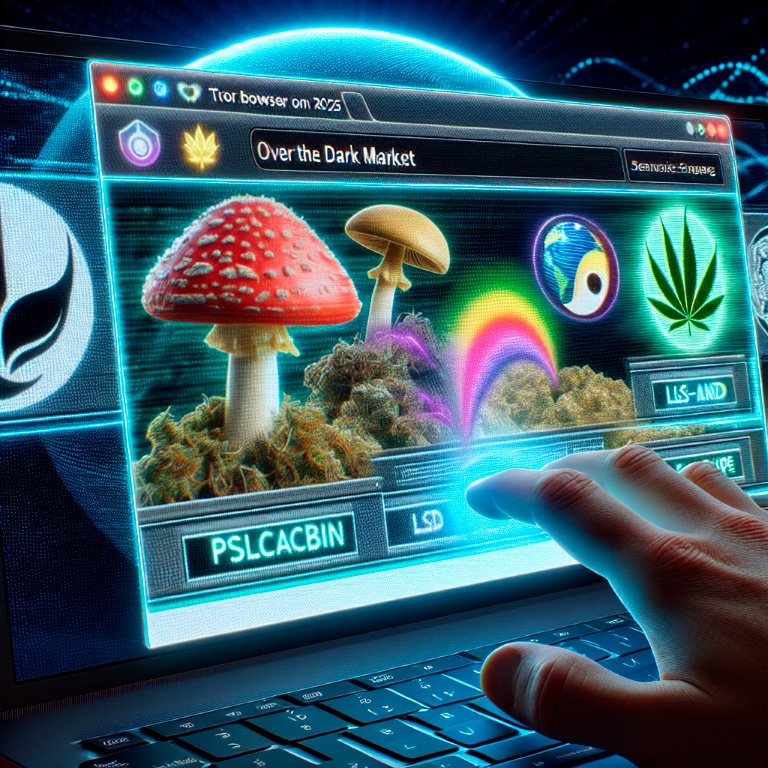
How Darknet Markets Work Like Regular Online Shopping
The nexus URL functions as the primary gateway to a self-contained e-commerce ecosystem. This structured model replicates the core functionalities of surface web marketplaces but is specifically engineered for the darknet environment. Access through a verified nexus URL ensures users connect to the legitimate platform, mitigating the risk of phishing sites and establishing the first layer of operational security.
Once inside, the model facilitates safe shopping through an integrated framework. Buyers navigate catalogues from trusted vendors, whose reputation is quantifiably displayed via user feedback scores and historical transaction data. This transparent rating system is fundamental, allowing for informed purchasing decisions based on community-verified reliability and product quality.
The transaction process is standardized:
- Selection of goods is made from vendor listings.
- Funds are placed in a multisignature escrow system, releasing payment to the vendor only upon confirmed delivery.
- Communication between buyer and vendor is encrypted and conducted within the platform.
Financial settlement is executed exclusively through crypto payments, primarily using currencies like Monero or Bitcoin. This integrates financial anonymity with the platform's operational anonymity provided by Tor. The entire cyclefrom access via the nexus URL to finalization with cryptocurrencycreates a coherent and resilient commercial model that prioritizes user security, transactional trust, and efficient trade.