Darknet Markets 2026:
The dark web is part of the deep web but is built on darknets: overlay networks that sit on the internet but which can't be accessed without special tools or software like Tor. Tor is an anonymizing software tool that stands for The Onion Router — you can use the Tor network via Tor Browser.
| Darknet Market | Established | Total Listings | Link |
|---|---|---|---|
| TorZon Market | 2022 | 140+ | Onion Link |
| Nexus Market | 2024 | 600+ | Onion Link |
| Abacus Market | 2022 | 100+ | Onion Link |
| Ares | 2026 | 100+ | Onion Link |
| Cocorico | 2023 | 110+ | Onion Link |
Updated 2026-10-27
How Tor Makes Anonymous Shopping on the Darknet Work
The Tor network provides the foundational layer of anonymity for modern darknet commerce. It functions by encrypting and routing a user's connection through multiple volunteer-operated servers globally, effectively obscuring the origin and destination of the data. This creates a private channel for accessing specialized websites, known as onion services, which are not indexed by conventional search engines.
This technological infrastructure enables a marketplace environment where privacy is the default. Users can browse product listings and communicate with vendors without exposing their physical location or identity. The system's design fosters a direct and discreet connection between buyer and seller, which is essential for the transaction process. Anonymity here is not for illicit activity alone but is a prerequisite for genuine privacy in digital trade, shifting the trust paradigm from personal identity to transaction history and community feedback.
The stability and accessibility of these markets rely directly on Tor's ability to resist censorship and traffic analysis. Without this layer of protection, the ecosystem would be vulnerable to external interference and surveillance, preventing the establishment of persistent storefronts and reliable vendor reputations. Consequently, Tor is not merely a tool for access but is integral to the operational security and longevity of the entire darknet shopping model, allowing for the development of trusted commercial relationships over time.
How Crypto Makes Buying Drugs on the Darknet Easy and Secure
The integration of cryptocurrency is fundamental to the operational model of modern darknet markets. It provides a decentralized and pseudonymous payment layer that aligns perfectly with the requirement for transactional privacy. Unlike traditional financial systems, cryptocurrencies like Bitcoin and Monero do not inherently link payments to real-world identities, creating a barrier between the purchase and the purchaser.
The process is straightforward. A buyer funds a wallet, receives a unique payment address from the vendor or an automated system, and submits the transaction to the blockchain. The use of escrow services, managed by the market platform, holds the funds securely until the buyer confirms receipt of the product. This mechanism directly addresses the inherent trust deficit in anonymous environments and has become a standard feature. The evolution towards currencies with enhanced privacy features, such as Monero, offers even greater anonymity by obfuscating transaction details on the ledger itself.
This financial infrastructure supports a reliable economic ecosystem. It enables:
- Secure, final transactions without chargeback fraud.
- Global payments without borders or traditional banking delays.
- A trustless environment where the platform's escrow system, not personal faith in a stranger, guarantees the terms of the trade.
How Escrow Keeps Darknet Trades Secure
The escrow system is a fundamental security mechanism on modern darknet markets, transforming anonymous transactions from acts of blind faith into structured, secure exchanges. It functions as a neutral third-party holding service for cryptocurrency payments. When a buyer places an order, the funds are locked in escrow by the market's automated system. The vendor sees the secured payment and ships the product. Only after the buyer receives the order and confirms its satisfactory quality are the funds released to the vendor.
This process directly mitigates the primary risk in anonymous trade: fraud. It protects the buyer from vendors who might otherwise accept payment and not ship the product. Simultaneously, it assures the vendor that the buyer has committed the funds and cannot simply reclaim them after receiving the goods. The entire procedure is managed through cryptographically signed messages and timers built into the market platform, requiring no personal trust between the parties initially.
Effective escrow relies on several supporting features:
- Finalizing Early (FE) status: Trusted vendors with a long history of positive feedback may be granted FE status, allowing them to receive funds before shipping. Buyers choose to trade with these vendors for faster access, accepting a higher risk based on the vendor's established reputation.
- Multi-signature (multisig) escrow: An advanced option where the release of funds requires two out of three cryptographic keys, held by the buyer, vendor, and sometimes the market admin. This further decentralizes trust and reduces the impact of a market exit scam.
- Transparent dispute resolution: If a transaction fails, either party can open a dispute. A market moderator then reviews the encrypted communication and any provided evidence, such as shipping proof, before adjudicating the release of escrowed funds.
The escrow model creates a balanced ecosystem where security is procedural, not personal. It enables commerce between anonymous entities by making trust a function of the system's design rather than an unverified claim. This institutionalizes safety, allowing buyers to focus on product quality and vendor reputation, which are visible through the review system, while vendors are incentivized to maintain high standards to ensure prompt payment and build their standing.

A Wide Selection of Quality Products on the Darknet
The product range on modern darknet platforms is vast and specialized, reflecting a mature and consumer-oriented marketplace. Unlike common misconceptions, these platforms host a sophisticated digital catalog that rivals legitimate e-commerce in its organization and detail. Vendors list products with precise descriptions, including chemical composition, source origin, and intended effects, which allows for informed consumer choice.
The available substances are typically categorized for user convenience:
- Pharmaceuticals: Prescription medications, including stimulants, benzodiazepines, and pain relievers.
- Botanicals: Traditional plant-based substances like cannabis, psychedelic mushrooms, and kratom, often with specific strain details.
- Research chemicals and novel psychoactive substances, which are frequently documented with laboratory analysis reports.
- Classic entheogens such as LSD or MDMA, where purity and dosage are critical selling points.
This diversity is driven by vendor specialization. Successful vendors often focus on a narrow product line, developing expertise that ensures consistent quality and builds a reputation. A vendor might exclusively sell a particular strain of cannabis or a specific class of synthetic compounds, providing a level of product knowledge and reliability that fosters repeat business. The marketplace structure incentivizes this specialization through feedback systems, where product quality is directly linked to a vendor's survival and profitability.
The evolution of product listings shows a clear trend toward standardization and safety. It is common to find listings that include third-party lab test results, verifying purity and identifying adulterants. This practice reduces health risks for consumers and establishes a benchmark for quality within the marketplace. The availability of such a wide array of products, each competing on quality and price within a feedback-driven system, creates an environment where consumer demand effectively shapes supply toward greater reliability and specificity.
How Reviews Build Trust for Safer Darknet Purchases
The feedback system is the cornerstone of trust on a darknet market. Unlike traditional e-commerce, these platforms operate without legal recourse, making user reviews and vendor reputation the primary mechanisms for risk mitigation. Every transaction concludes with a detailed review where buyers rate product quality, shipping speed, stealth, and communication. This creates a transparent, crowd-sourced accountability model.
Vendors cultivate their reputation over time, with metrics like transaction count and average rating displayed prominently. A vendor with thousands of successful sales and a 4.9/5 rating demonstrates consistent reliability. This system incentivizes high standards, as negative reviews directly impact future business. Buyers rely on this historical data to make informed decisions, effectively outsourcing trust to the collective experience of the community.
The review process often includes:
- Detailed descriptions of product purity and accuracy.
- Observations on packaging stealth and delivery discretion.
- Assessments of the vendor's communication responsiveness.
This multi-faceted feedback builds a comprehensive profile beyond a simple star rating. For new buyers, studying review histories is a mandatory step, reducing the likelihood of fraud. The resulting environment fosters a self-regulating marketplace where trusted vendors are highly valued and economically motivated to maintain their status through consistent, high-quality service.
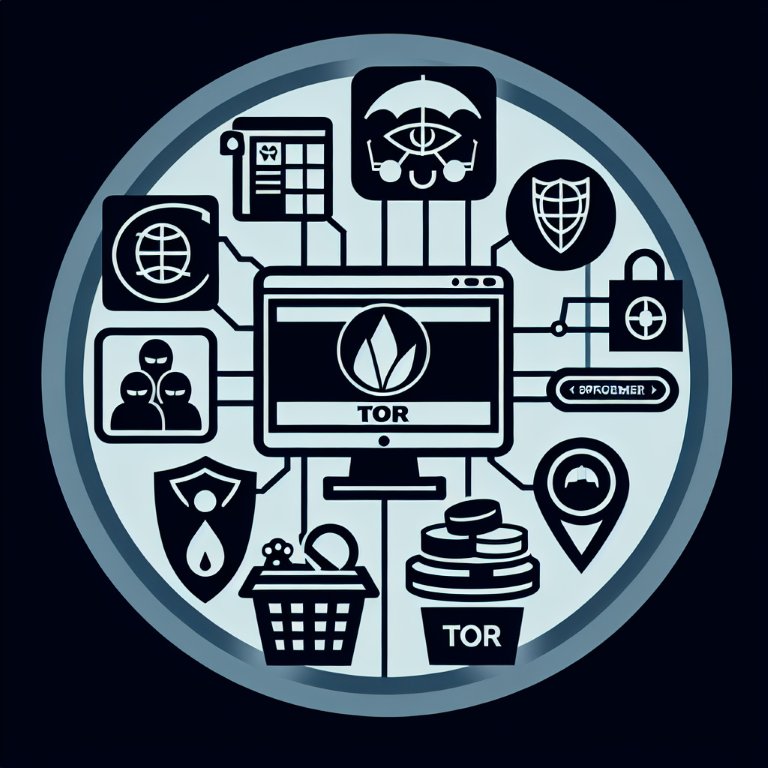
How Darknet Markets Ensure Safe, Quality Products
The operational model of modern darknet markets inherently prioritizes consumer safety and product quality as a core function. This focus is not incidental but a direct result of the decentralized and reputation-based ecosystem. Unlike unregulated street transactions, these platforms implement structured systems where vendor success is directly tied to reliable service and product integrity.
A vendor's reputation, built through consistent user reviews and detailed product listings, serves as the primary metric for trust. Buyers meticulously report on product purity, accurate weight, and shipping discretion. This creates a powerful feedback loop: high-quality vendors rise in search rankings and secure more sales, while those with poor reviews or scams are quickly marginalized. The escrow system further protects the buyer, as funds are only released after confirmed satisfactory receipt of the goods.
This environment encourages a form of quality control often absent in illicit physical markets. Vendors have a commercial incentive to provide:
- Accurate and detailed product descriptions, including source or synthesis method.
- Consistent purity, often verified by independent testing communities who post results.
- Secure and stealthy packaging to ensure discreet delivery.
The resulting market dynamic shifts power toward the informed consumer. Access to historical data and peer assessments allows for calculated purchasing decisions based on empirical evidence rather than blind trust. This system fosters a competitive environment where safety and quality become key selling points, directly enhancing transactional security for all participating parties.
How Disputes Get Settled Fairly on the Darknet
Dispute resolution is a foundational component of a functional darknet marketplace, directly replacing the legal protections of conventional commerce. The system operates on a principle of decentralized arbitration to maintain fairness without a central authority. When a transaction faces an issue, such as non-delivery or product quality disputes, the escrow service holds the buyer's cryptocurrency until both parties reach an agreement.
The process typically follows a structured sequence. First, the buyer and vendor attempt to resolve the issue through direct communication. If this fails, either party can formally open a dispute. At this stage, the marketplace's moderators or trusted community members are appointed to review the case. These arbitrators examine the provided evidence, which can include:
- Encrypted message logs between buyer and vendor
- Photographic or video proof of the product
- Shipping and tracking information, where available
The arbitrator's role is to assess the evidence impartially and deliver a binding judgment on how the escrowed funds should be distributed. This could result in a full refund to the buyer, a full release to the vendor, or a partial split. The integrity of this system is enforced through reputation mechanisms. Moderators themselves have public trust scores, and vendors with a history of lost disputes see their credibility damaged, affecting future sales. This creates a powerful economic incentive for honest conduct, aligning vendor success with reliable service and fostering a self-regulating trade environment where fair dispute resolution is not just possible but systematically enforced.

How Decentralized Trade on the Darknet Works Better
The decentralized structure of modern darknet markets represents a significant evolution in peer-to-peer trade. Unlike centralized e-commerce platforms, these systems distribute authority and data across a network, eliminating single points of failure. This architecture directly enhances resilience and uptime. If one node or mirror becomes unavailable, the network routes traffic through others, ensuring continuous access for buyers and vendors. This reliability is fundamental for maintaining consistent commercial activity.
Operational efficiency is achieved through automated processes and smart contracts. Transactions are facilitated by cryptocurrency and often managed by multi-signature escrow systems. These systems release funds only when both parties confirm the order's satisfactory completion. This automation reduces the need for manual intermediation, speeds up settlements, and minimizes human error. The result is a streamlined process where trust is enforced by code rather than by a central administrator.
The model creates a self-regulating ecosystem driven by vendor reputation and user feedback. Success depends on maintaining a high rating, which incentivizes vendors to provide quality products and reliable service. Buyers contribute to this system by leaving detailed reviews, creating a transparent feedback loop. This peer-based accountability efficiently filters out bad actors and rewards trustworthy vendors, leading to a more stable and predictable marketplace. The collective intelligence of the user base effectively curates the market.
Decentralization also promotes specialization and market diversity. Vendors can operate with greater autonomy, often focusing on specific product niches or regional logistics. This allows for tailored service and innovation in stealth shipping and customer care. The competitive environment, visible through review systems, pushes vendors to improve their offerings and operational security continuously. The efficiency lies in the system's ability to organically match supply with demand while maintaining high standards through communal verification.